

Blue Space Waterways Improvement, Stormwater Runoff
Nature Recovery, Climate Resilience , Health and Wellbeing

Briarwood School raingarden
The Eunomia natural capital accounting valuation tool estimates that this project will provide £666,758 of environmental and social benefit over a 15-year period, a cost benefit return of almost 3:1. Click the link below to view the valuation details.
A Bristol City Council project to build rain gardens, planters and a water basin within ‘Briarwood’, a Bristol school committed to providing high quality education, care and life experiences for children and young people aged 3-19 with severe and profound learning difficulties, complex needs, autism and sensory impairment. This project will benefit students and staff, add biodiversity value, reduce flood risk, protect the River Frome, and increase climate resilience for the surrounding community.
The problem
Located in a residential part of Fishponds, Briarwood is in an area at high risk of surface water flooding. The grounds of the school often flood, rendering areas unusable during wet periods. The large areas of impermeable asphalt play area surfaces, large school roof and runoff from a nearby playing field directly contribute to stormwater runoff problems across the area.
Traditional drainage systems take rainwater from roof space away from site direct into the sewage system. Drainage gullies across roads and hard surfaces also carry stormwater into the sewage system. Built when there were fewer houses, and less water being used, the available capacity within the sewage system to cope with heavy rainfall is very limited.
Our changing climate means that storms are becoming more frequent and more severe. During heavy rainfall the rainwater piped into the sewers often overloads the system. This increases the risk of flooding elsewhere in the community and can cause combined sewers to overflow and discharge sewage into the nearby River Frome.
Increasingly, the current system is no longer sustainable. Action is needed to protect freshwater habitats, homes, and communities.


-
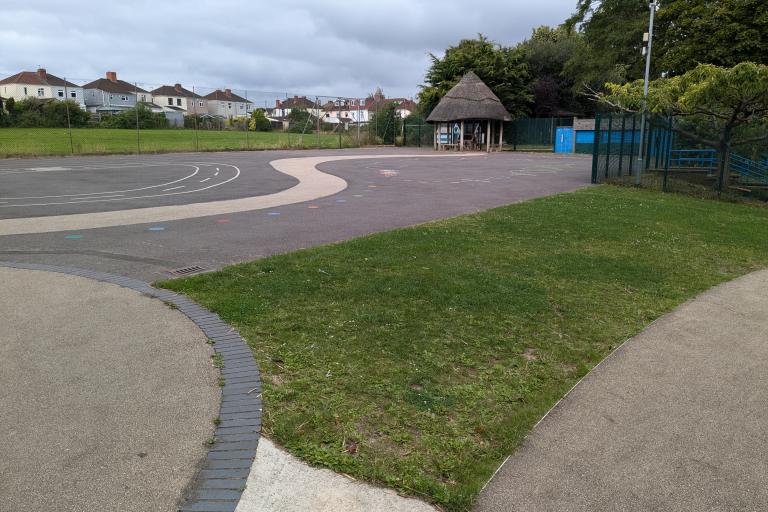
Location of one of the two new raingardens that will prevent flooding of the play space and provide pupils with access to a beautiful, plant-rich, nature-rich space.
-
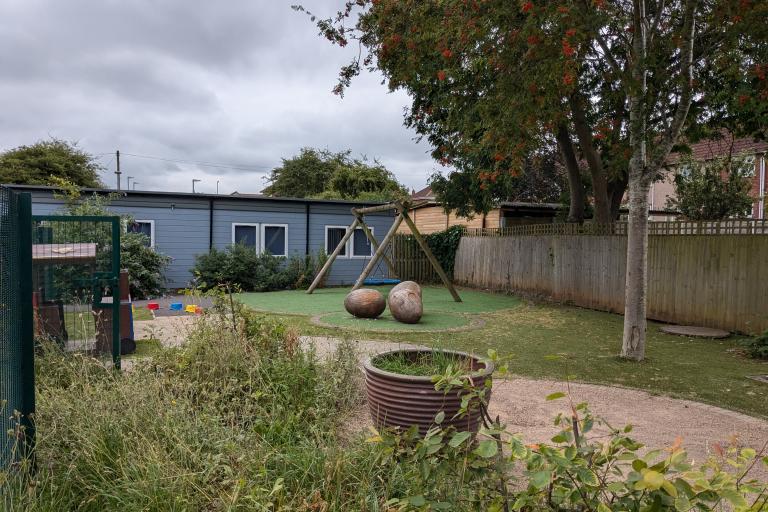
The second raingarden location. This space will feature large raised planters filled with beautiful, vibrant plants.
-
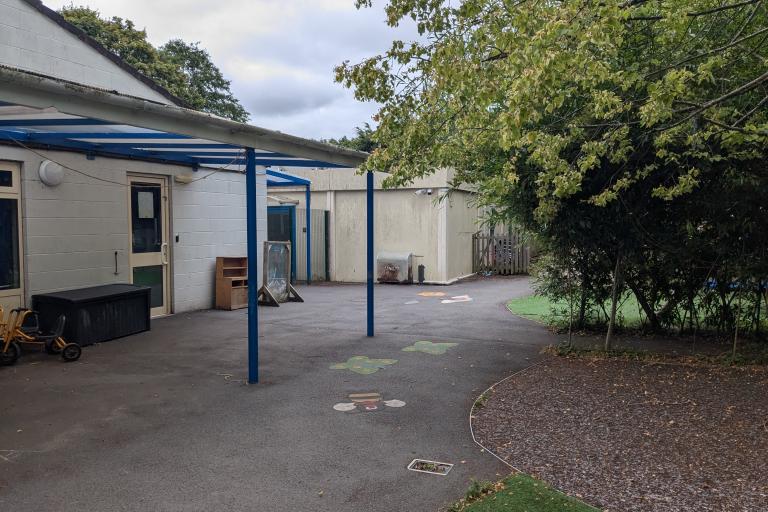
New permeable paving will soak up rainfall like a sponge and prevent localised flooding issues.
-
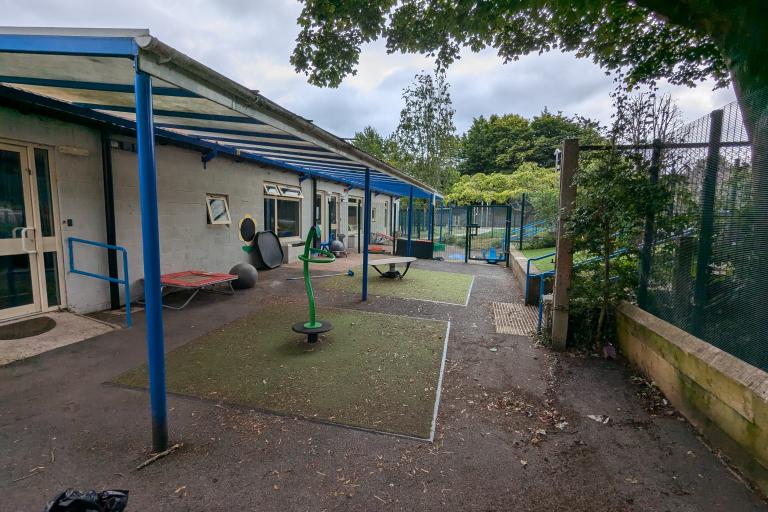
New permeable paving will replace the tired old asphalt, preventing localised flooding and allowing pupils more access to outdoor space.
-
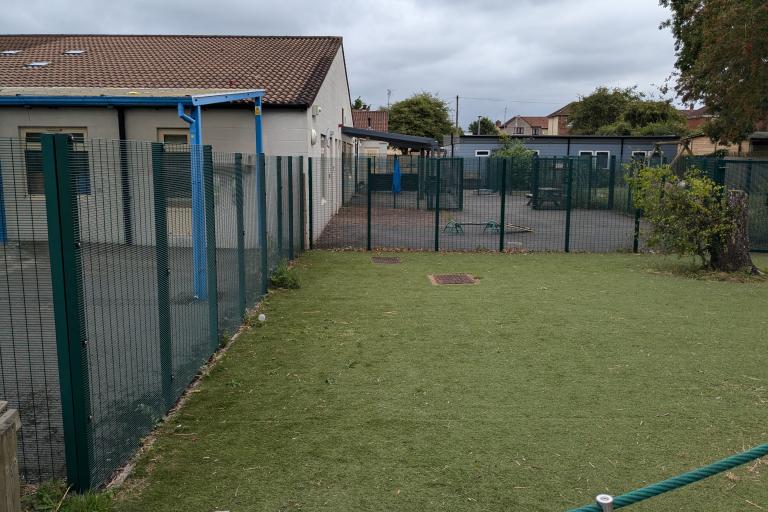
New permeable paving and beautiful plant-filled planters will transform this area.
The proposed solution
An effective solution is to capture and store as much rainfall as possible, before it enters the drainage system. At Briarwood the proposal is to utilise a number of different options to achieve maximum impact. The options include the creation of rainwater basin to intercept runoff from the nearby playing field, the creation multiple rain gardens and planters adjacent to areas of the grounds known to flood and the installation of permeable paving. The surface water that usually floods parts of the playground will instead flow into these new features, which will soak up and store the water, using it to irrigate the beautiful shrubs and perennial plants within these new garden areas.
The raingardens and planters will also add biodiversity value to the site and provide pupils and staff with a beautiful, relaxing, dynamic, thought-provoking garden space in which to sit and enjoy nature and each other’s company. Beautiful, natural green spaces are recognised and valued for their therapeutic effects, and these spaces will bring health and wellbeing benefits for pupils and staff alike.
Four specially designed large ‘rain-planters’ will capture and store rainwater from roof gutters and provide additional space for beautiful plants and biodiversity.
Three large areas of impermeable asphalt will be replaced with permeable paving. Designed to provide rapid infiltration, these areas will act like sponges absorbing rainwater from roof spaces and from surrounding surfaces currently prone to flooding.
Along the southern boundary of the school, a ‘swale and water basin’ will be installed. This will take large volumes of water running off the sloping playing fields into a shallow vegetated channel, or ‘swale’. Exposed to sunlight and vegetation, rainwater diverted into the swale is cleaned and much of it naturally infiltrates into the ground. As the swale fills, it gradually moves the rainwater towards a large basin or pool at one end of the swale. As the pool fills, the process of cleaning, storing and infiltration continues. Constantly changing in harmony with the weather, and surrounded by a flower rich meadow area, the swale and basin boost the biodiversity and landscape value of the space, providing pupils and staff with a dynamic and fascinating space that will enrich their lives and boost their health and wellbeing.
The more of these types of nature-based interventions we build, the stronger our ability to withstand flooding. Scalable and cost effective, they can be built across a vast range of spaces, from private gardens to the carparks of large buildings, or the verges of our high streets, protecting homes and communities, while supporting nature recovery.
Why it matters
This combined approach provides as estimated storage volume of 75m³ each time it rains, which would prevent thousands upon thousands of litres of water from entering the system annually, easing the pressure on the system, protecting the river and building community resilience. Through this project, we’re providing a real and working example of a nature-based and nature-positive approach to climate adaptation and resilience. This gives students direct experience of practical solutions that enhance and enrich their lives, encouraging them to view climate challenges in a positive way.
These rain gardens don’t just reduce the risk of flooding, protect our rivers and streams and support nature recovery. They provide students with inspiration and hope for the future.
Everyone can help! Install a water butt at home or create a small rain garden, they’re great for wildlife, reduce flood risk and increase your community’s climate resilience.